Accessible Routes in Wicklow National Park
Discover stunning mountain trails designed for comfortable exploration

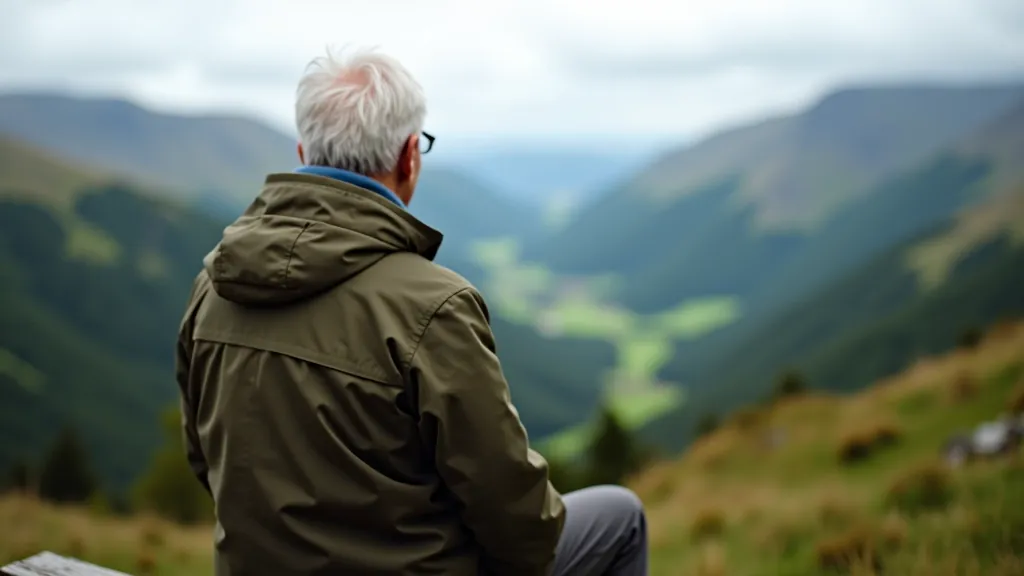
Wicklow's green mountains offer several easy-access trails with stunning views. We've selected routes that don't require steep climbs but deliver spectacular scenery. It's easier than you might think to explore this beautiful region.
The park spans over 20,000 hectares of protected mountain landscape. What makes Wicklow special for accessible exploration? The terrain varies enough to stay interesting, but the best routes have been designed with gradual elevation changes and solid footing. You'll find well-maintained paths, clear signage, and several spots where you can stop and simply breathe in the views without feeling rushed.
Three Routes Worth Exploring
We've picked these three because they balance accessibility with genuine mountain experience. None of them are boring walks around a flat park.
Glendalough Lower Lake Loop
Distance: 4.5 km (3 miles) | Time: 1.5–2 hours | Elevation: Minimal
This is the most popular route for good reason. The path circles the lake, passing ancient monastic ruins and native oak woodland. You're walking through history while staying comfortable. Benches appear regularly if you need rest stops, and the surface is mostly packed earth with some sections of stone. The views change constantly as you move around the lake—mountains reflected in water, woodland shadows, then open sky.
Powerscourt Waterfall Valley Path
Distance: 3 km (1.8 miles) | Time: 1–1.5 hours | Elevation: Gradual 50m rise
The goal here is Ireland's highest waterfall. The path starts easy and stays gentle throughout. You're walking through mature forestry where the air smells like moss and rain. The waterfall itself is worth the small effort—it's a dramatic sight, and there's a viewing area where you can stand safely and feel genuinely awed. Don't rush. Spend 10 minutes just listening to the water.
Sally Gap Mountain Viewpoint
Distance: 2.5 km (1.5 miles) | Time: 1 hour | Elevation: 80m rise over 1 km, then flat
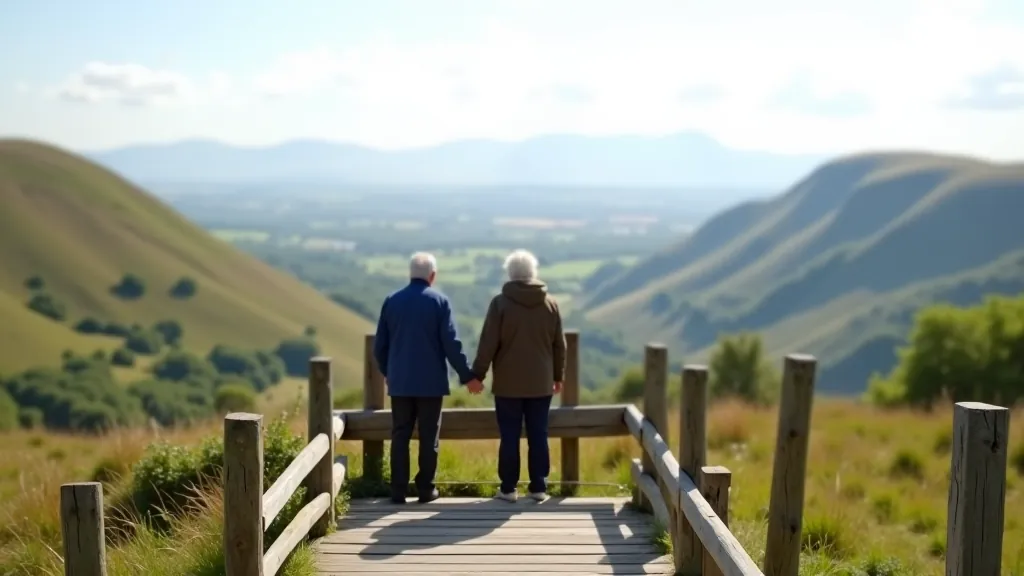
This one has a bit more gradient in the first section, but it's spread over distance so it doesn't feel steep. Once you reach the plateau, the walking flattens completely. The reward? You're standing on a mountain ridge with 360-degree views. On clear days you can see across three counties. It's genuinely spectacular, and you'll have earned it without exhaustion.
Getting Ready: What You Need to Know
Planning matters more than fitness here. Wicklow's weather changes quickly—you can start in sunshine and find yourself in cloud within 30 minutes. Always bring a light rain jacket, even if the forecast looks perfect. The mountain can surprise you.
Essential Items
- Water bottle (at least 1 litre). The park has few water sources along trails.
- Snacks with sustained energy—not just sweets. Nuts, fruit, whole grain bars work well.
- Sun protection and insect repellent, especially in warmer months.
- Proper walking shoes with ankle support. The ground's uneven in places.
- A light layer even in summer. Altitude drops temperature by about 1 degree per 100 metres.
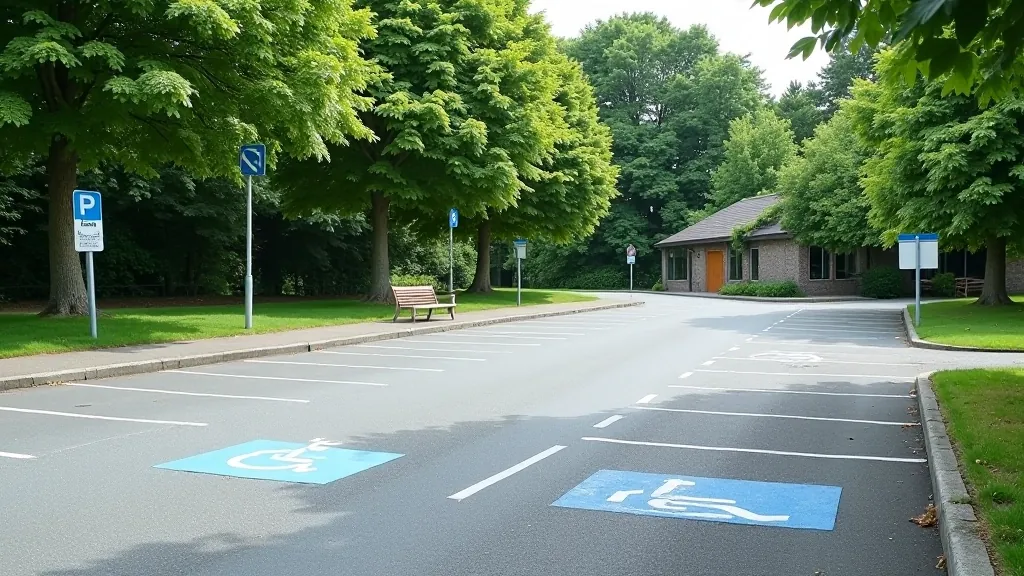
All three routes have dedicated parking areas. Glendalough and Powerscourt have accessible parking spaces near trail entrances. Arrive early on weekends—these routes are popular, and parking fills by mid-morning. Sally Gap has limited facilities, so plan accordingly.
Walking Strategies That Actually Work
The difference between a difficult day and an enjoyable day often comes down to pacing and knowing when to stop.
Pace Yourself
Walk at a speed where you can still hold a conversation. If you're breathing hard, slow down. The mountain isn't going anywhere. A slower pace actually lets you notice details—lichen on rocks, bird calls, wildflowers—that you'd miss rushing.
Use Trekking Poles
Poles aren't just for steep terrain. They distribute effort across four limbs instead of two, reduce joint strain by up to 25%, and improve stability on uneven ground. Rent them at visitor centers if you don't have your own.
Rest Intentionally
Don't wait until you're exhausted. Stop every 20–30 minutes, sit properly, and recover fully. A five-minute rest on a bench is worth far more than pushing through fatigue and then needing a 20-minute recovery later.
Walk With Company
There's safety and pleasure in numbers. Walking with someone else keeps you accountable about pacing, provides conversation, and means help's nearby if something goes wrong. Plus, shared experience makes the views feel better.
Know Your Exit Points
Before you start, identify where you can turn back if needed. Most routes have natural halfway points where you can decide to continue or return. There's no shame in modifying your plan based on how you're feeling that day.
Check Weather Reports
Mountain weather is unpredictable. Check forecasts for the specific area, not just your town. Wicklow can be wet when Dublin's dry. Wind speed matters too—mountain ridges amplify wind, making it harder to walk.
What Makes This Worth Doing
Here's something nobody mentions in guide books: walking in mountains changes how you feel about yourself. It's not dramatic. You don't have sudden revelations. But you notice you're stronger than you thought. You discover that discomfort isn't danger. You realize mountains are patient—they don't care if you're slow.
The routes we've described are genuinely accessible. You don't need to be an athlete. You need good footwear, realistic expectations, and willingness to stop and rest. What you'll get in return is the feeling of being in a truly wild place—where mountains are mountains and the view genuinely takes your breath away. That's worth the small effort it takes to get there.
Wicklow National Park is open year-round. Spring brings wildflowers and lambs in nearby fields. Summer offers longest daylight. Autumn has dramatic color and fewer crowds. Winter brings silence and rare clear views. Pick your season and go.
Important Information
The information in this guide is educational and based on general conditions. Trail conditions change with weather and maintenance schedules. Always check current conditions with Wicklow National Park visitor centers before heading out. If you have medical concerns about physical activity, consult your healthcare provider. Walking in mountains carries inherent risks—weather can change rapidly, terrain is uneven, and emergency services response times vary by location. Walk within your abilities, stay aware of your surroundings, and carry appropriate safety equipment.