
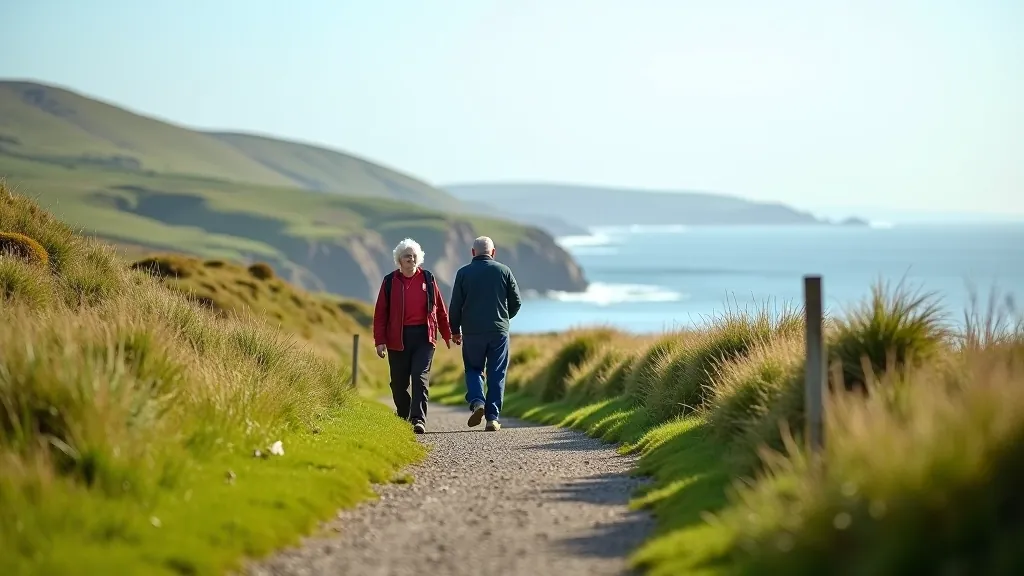

Gentle Paths with Breathtaking Views
Kerry's national park isn't just for mountain climbers and experienced hikers. The region offers some of Ireland's most accessible trails with views that'll take your breath away — literally. You don't need extreme fitness to experience the park's dramatic coastlines, quiet mountain passes, and stunning glacial valleys.
The beauty of Kerry is that you can choose your own adventure. Want a 30-minute stroll? You've got options. Prefer a leisurely 2-hour walk with plenty of stops? We've mapped those too. The terrain varies from flat coastal paths to gentle hillside routes, and most have regular rest spots where you can sit, breathe in the sea air, and take in views that honestly rival anything you'll see in more famous parks.
The Real Deal: Kerry National Park spans 10,236 hectares across three main areas — Killarney, Dingle Peninsula, and Kenmare. Each area has trails suited to different fitness levels. We're talking well-marked paths, regular signage, and facilities that actually work.
Best Trails for Comfortable Walking
There are three standout routes we recommend. Each one's been tested by seniors looking for real variety without the difficulty.
Muckross Loop (5.5 km)
Flat, shaded path around Muckross House. Takes about 90 minutes at a leisurely pace. Excellent for beginners. You'll see ancient oak woodlands and lake views without any significant elevation gain.
Ladies' View to Parking (3 km)
Start from the famous viewpoint and walk downhill for about an hour. Stunning vistas of the Kenmare River valley. It's all downhill going out, so the return's uphill — but it's gentle and manageable.
Dingle Peninsula Coastal Path (4 km)
Spectacular ocean views without technical difficulty. The path hugs the coastline with several turnoff points if you need shorter options. Mostly flat with gentle slopes.

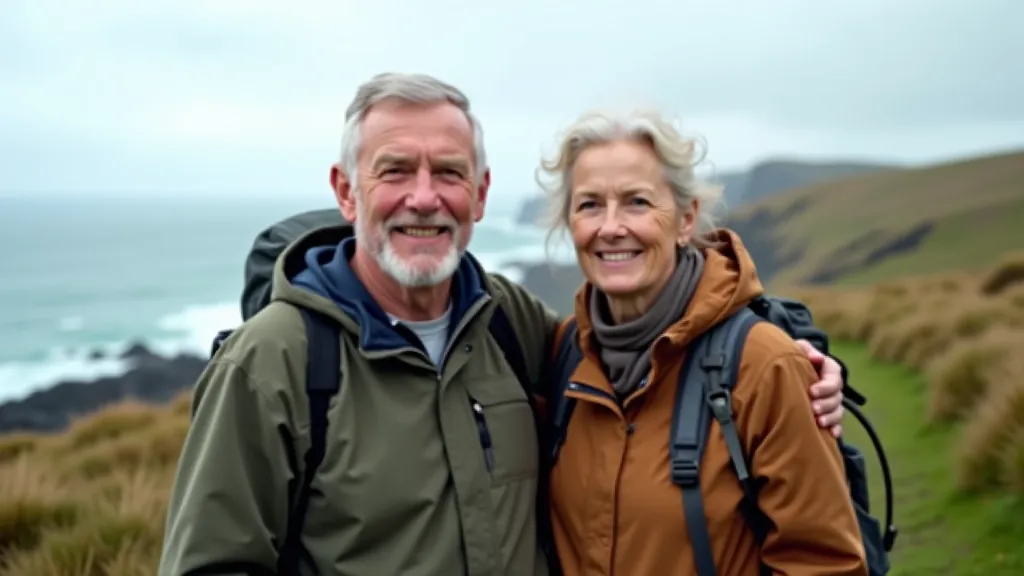
What Makes These Routes Senior-Friendly
It's not just about distance. We're looking at surfaces, facilities, and realistic rest opportunities. The Muckross loop has benches every 500 meters or so — that's crucial. The Dingle coastal path has multiple pullout areas where you can sit safely and enjoy the views without feeling rushed.
Surfaces matter too. Most of these trails use compacted gravel or tarmac, not loose stone. Your knees and ankles will thank you. We've avoided routes with exposed roots, steep drops, or technical footing that requires constant concentration. Walking should feel enjoyable, not like an obstacle course.
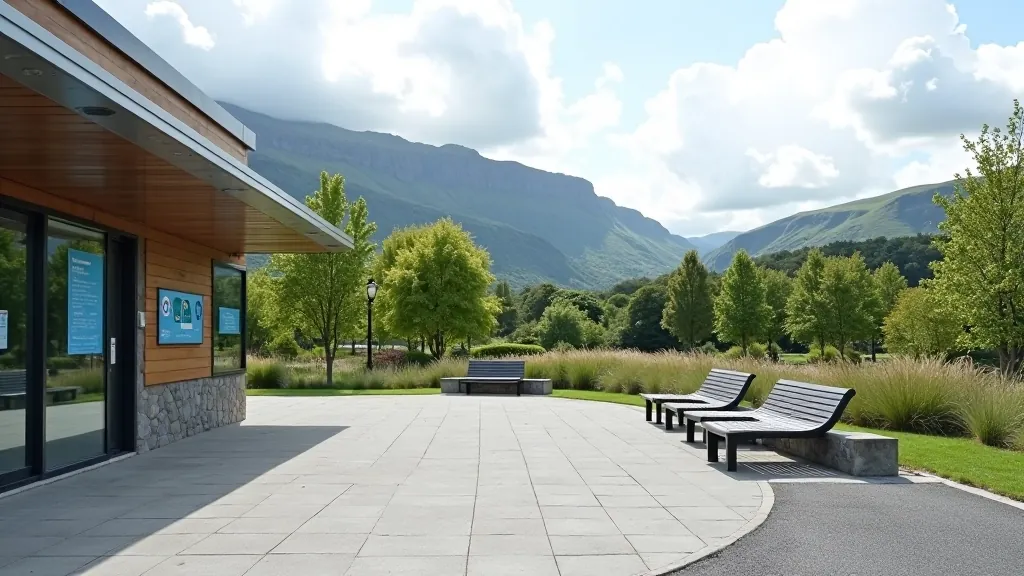
The trails we recommend also have clear signage. You won't be guessing directions or worrying about getting lost. And critically, there's actual infrastructure — parking areas aren't miles away, visitor centers have proper facilities, and help is nearby if you need it.
Important Information
This guide is informational only and based on typical conditions in Kerry National Park. Weather, trail conditions, and facility availability can change seasonally. Always check current conditions with the park visitor center before heading out. If you have mobility concerns or medical conditions, consult your doctor before undertaking any hiking. Bring appropriate footwear, water, and sun protection regardless of season.
Practical Tips for Your Visit
Timing matters. The best months are May through September — weather's more predictable and daylight lasts longer. But here's the thing: even winter walks can be spectacular. Just plan for shorter daylight and potentially muddy conditions.
Bring layers. Kerry weather's unpredictable. You might start in sunshine and find yourself in mist within an hour. A lightweight waterproof jacket takes up minimal space but makes a huge difference. Proper walking shoes are essential — not trainers, actual walking shoes with good ankle support and grip.
Pack more water than you think you'll need. There aren't many refill opportunities on the trails. A small backpack (10-15 liters) is ideal — light enough not to strain your shoulders, roomy enough for water, snacks, and a light jacket. And snacks matter. A banana, some nuts, or a cereal bar keeps your energy steady over 2+ hours of walking.
Sun Protection
Even on cloudy days, UV rays get through. Sunscreen, sunglasses, and a hat prevent painful burns that can ruin your week.
Proper Footwear
Good walking shoes prevent blisters and ankle strain. Break them in before your trip — new shoes on unfamiliar terrain is asking for trouble.
Plan Your Route
Download offline maps or pick up printed trail guides at visitor centers. Don't rely solely on phone GPS — battery drain is real in remote areas.
Start Early
Morning starts give you more daylight buffer and avoid afternoon crowds. Plus, early light on the mountains is genuinely beautiful.
Accessibility Services & Facilities
Kerry National Park has made genuine efforts to improve accessibility. The visitor centers have proper disabled facilities, accessible parking near major trailheads, and staff who can advise on route difficulty honestly.
Several trails have been upgraded with better surfaces and additional rest points. The park maintains these regularly, so conditions are generally reliable. If you need specific accessibility information about a particular trail, the visitor center can provide detailed descriptions of elevation gain, surface type, and available facilities.
Mobility aids are permitted on all public trails. If you use a walking pole, crutch, or cane, you'll find the designated paths accommodating. Some routes are more stable than others — ask the staff which sections have the firmest footing.
Real Experience from the Trails
"Wasn't convinced we could handle a proper walk anymore, to be honest. But the Muckross loop was brilliant — no steep bits, nice shaded path, and we could sit whenever we wanted. My husband's knees were fine afterwards, which is saying something. Felt genuinely accomplished."
"The Dingle coastal path absolutely knocked us out — and we meant that in a good way. Three hours of pure views. We're not young and we're not particularly fit, but we managed it without struggling. The facilities at the starting point helped too."
Getting There & Visitor Information
Killarney is the main hub — about 3.5 hours from Dublin by car, or accessible by train. The visitor center at Muckross House is the best starting point for trail information and facilities. There's ample parking, clean restrooms, and staff who genuinely know the trails.
For the Dingle Peninsula routes, the visitor center in Dingle town is your base. It's smaller but equally helpful. And if you're exploring the Kenmare side, facilities there are good too — though fewer trails suit beginners in that section.
Admission to the national park itself is free. Some attractions like Muckross House charge entry, but the trails are open to everyone. Best to visit in shoulder seasons (May or September) for fewer crowds and better weather predictability than summer.
Why Kerry Deserves a Place on Your List
Kerry National Park isn't a compromise destination where you go because you can't handle bigger mountains. It's genuinely beautiful, genuinely accessible, and genuinely rewarding. The combination of coastal views, woodland paths, and mountain scenery is rare. You'll find trails suited to your fitness level without feeling like you're missing out on the "real" experience.
The infrastructure is there. The facilities work. And importantly, people who know these trails understand that comfortable walking and memorable experiences aren't mutually exclusive. You don't need to suffer to enjoy nature — and Kerry proves that perfectly.
Plan your visit for 2-3 days if you can. One day for Killarney and Muckross, another for the Dingle Peninsula routes, and a third to explore at your own pace. You'll leave with genuinely tired legs, genuinely great memories, and genuinely stunning photos.